|

- Vijayaraja P
District Records are generally known as Collectorate records. It plays a conspicuous role in the sphere of historical writing and comprises Social, Political, Revenue, Judicial, Military, Religious correspondence between the collectors and Government as well as neighbouring districts and native states.
The Madura district was at the heart of the Pandian Kingdom which had existed there since the dawn of history. In 1781 AD., the Nawab assigned the revenue of the Carnatic to the Company to defray the cost of the war with Haidar Ali and from this date the district was practically under direct British administration.
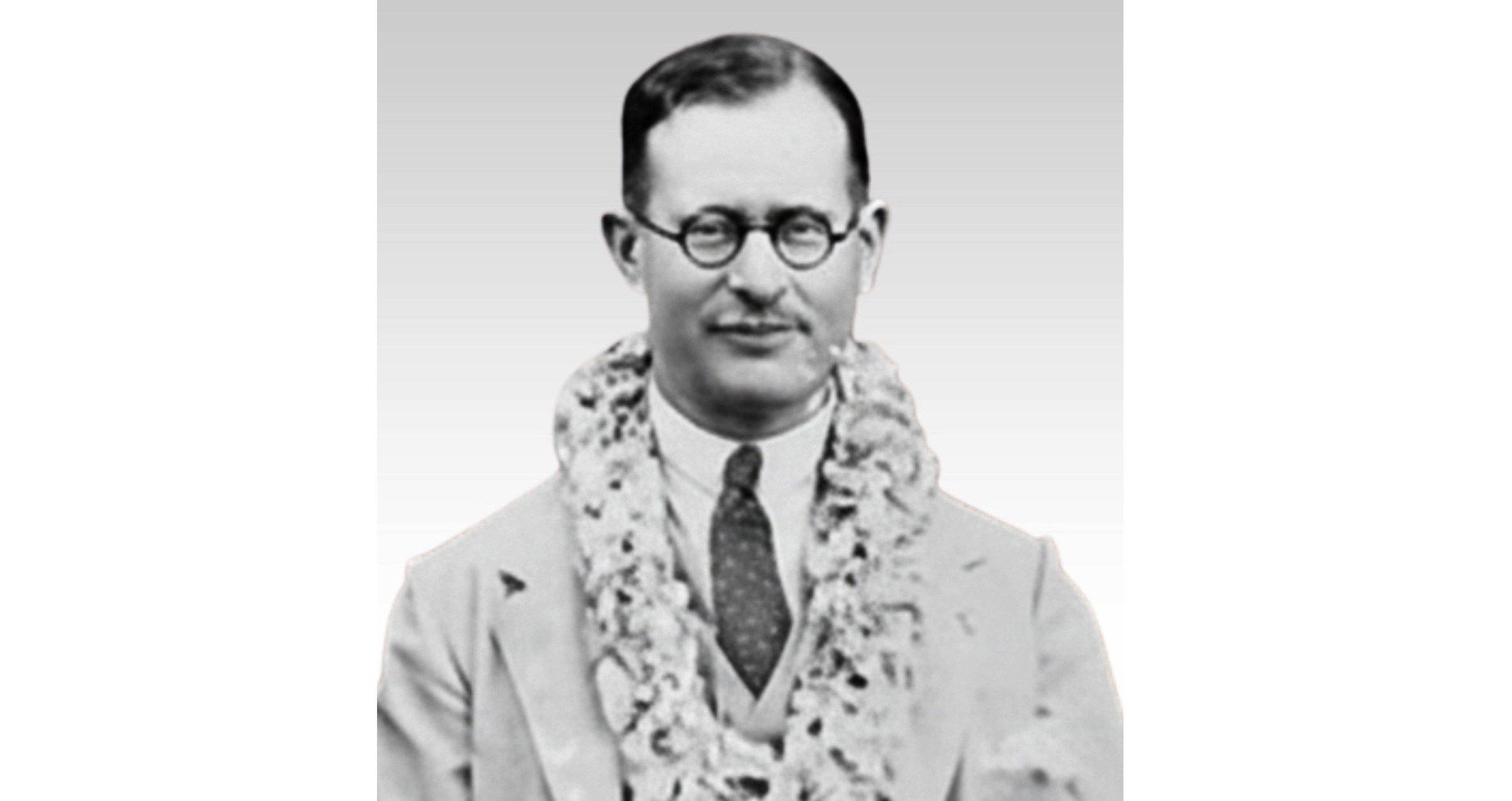
Percy Macqueen, the curator of Tamil Nadu Archives with foresight realised the real value of Collectorate records and took sufficient steps to transfer the Collectorate records upto 1857 AD., to the Tamil Nadu Archives. The Government accepted the proposals of Macqueen and ordered the Collectors of the Districts to transfer the records.
Madura is one of the important districts of erstwhile Madras Presidency of British India. The Madura Collectorate records from the year 1790 to 1835 AD., comprising 158 volumes and Madura crown records comprising 92 volumes barring few years are preserved in the Stack 7 of Tamil Nadu Archives.
The meticulously prepared Guide to the records in three volumes are the gateway to the colossal volumes of Madura Collectorate records and paves way for easy and quick access. The table of contents are listed in alphabetical order excepting those which consist of place or personnel names. Most of the titles are grouped in the main administrative classes.
The Madura District Records includes papers relating to the history of Cumbum, Gudalore and Pudupatty, 1794 to 1795 AD., Collector’s report on the condition of the villages and inhabitants on the Palney and Virupatchi Hills, 1837 AD., Correspondence between the Board of Revenue and the Collector regarding the forests of the Madura district, 1855 to 1860 AD., Collector’s report on the practice of holding lands under fictitious names and the measures to be adopted to put down the practice, 1837 AD., Papers relating to the reduction of nanjah assessment in Vandiyoor and in seven villages, 1815 to 1858 AD., Report on the Pamban channel by the Chief Engineer, 1854 AD., Collector’s report on the finding of the pearl oysters at the junction of the Vaigai and Coondavur river, 1832 AD.
Likewise, description of certain pollams in Dindigul district, 1795 AD., Collector’s report on the endowment of Ramarajapuram to the Meenakshi pagoda and the annual revenue of the religious institutions, 1841 AD., Papers relating to the remission of punja assessment in the villages of Makayan coottah, Chinnamanoor and Kombai of Periyakulam taluk, 1856 to 1858 AD., Papers regarding the transmission of tappal between Negapatam and Ramnad; breeding of cochineal insects; granting of jaghir to Lingam and conquest of Dindigul by Hyder and Tippu, 1792 to 1799 AD., Selections from the old records of Madura Collectorate, 1836 to 1854 AD., Correspondence regarding the taxation of scattered trees and topes in the Madura district, 1854 to 1859 AD., Correspondence regarding the vanpayer and tobacco cultivations., 1854 to 1859 AD.
Tamil Virtual Academy has taken strenuous steps to scan and digitize the two centuries old Madura Collectorate Records which gives vivid picture of life and socio-politico cultural landscape of the region. Indeed, the digital endeavour of Tamil Virtual Academy to host the records online will immensely benefit the General Public and Research Scholars.
(Vijayaraja P, Assistant Commissioner, Tamil Nadu Archives and Historical Research, Egmore, Chennai – 8.)
● Click here to view the Madurai Collectrate Records
● Click here to view the Madurai District Crown Records
|